
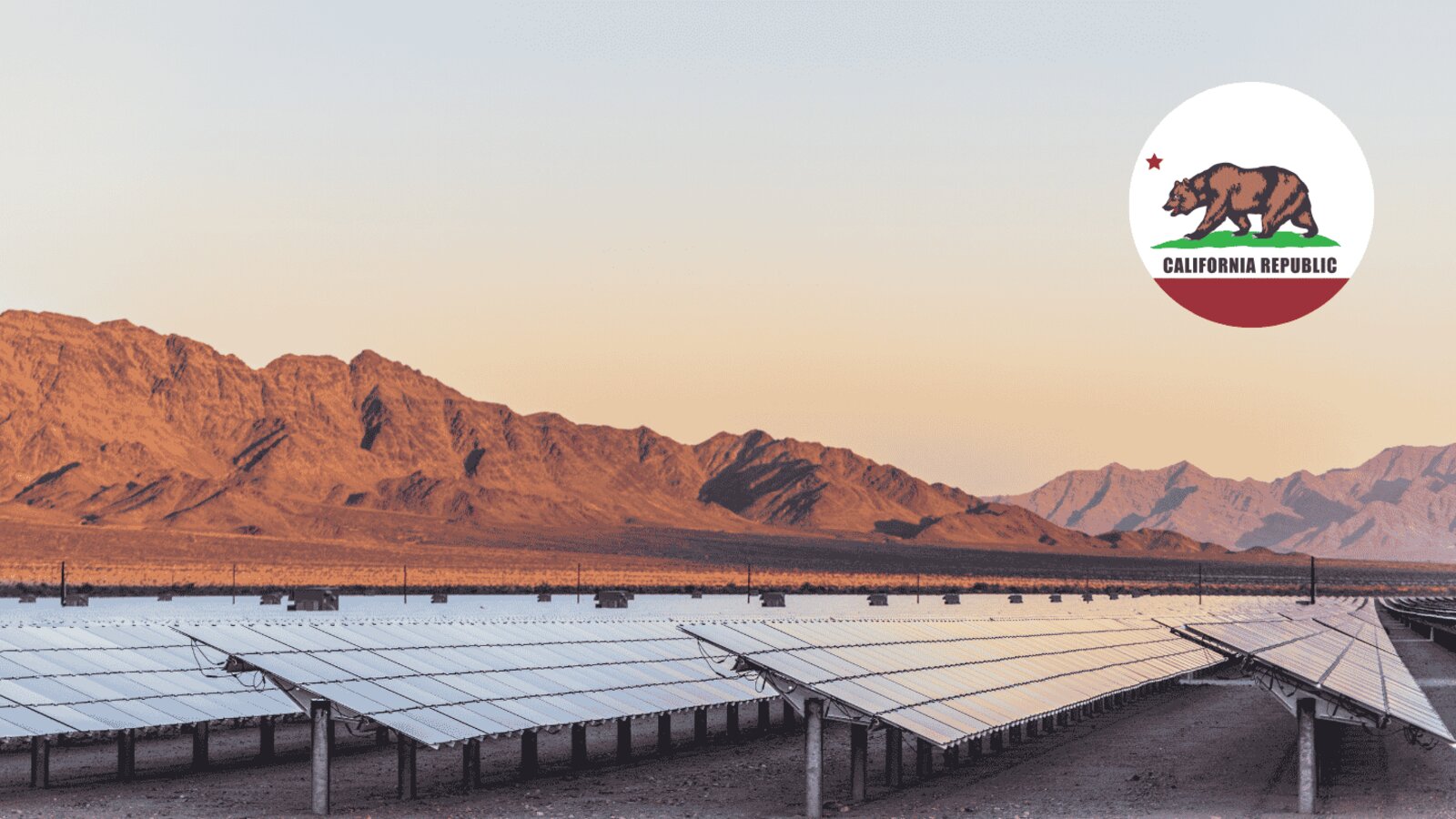
California has some of the boldest clean energy targets in the country — 60% renewable electricity by 2030, a carbon-free grid by 2045, and $54 billion committed to addressing climate issues. So why has no one figured out how to make community solar work for the most populated state in the United States yet?
That might finally be changing. And when that day comes, Neighborhood Sun will be there with the platform, experience, and credibility to connect households with local community solar farms.
After passing the Senate Appropriations Committee earlier this month, AB 1813, is awaiting Senate approval and Governor Newsom's signature. If it passes, conservative estimates mean we should see 5.4 GW of community solar capacity built throughout California, providing solar savings to more than 2.2. million residents and generating $20 billion in investments. Most importantly, the bill addresses a gap in the previous legislation, ensuring that all ratepayers benefit from savings, with no cost burden imposed on non-participating taxpayers.
How did it do that? The bill tells the CPUC to value community solar and battery storage using the Avoided Cost Calculator — the same tool regulators already use for other resources, instead of a custom rate structure that may not be financially viable for community solar. Pairing projects with storage lets them discharge during the evening peak, which makes community solar financially viable by leveraging the higher value hours, according to the calculator. The bill also requires low-income participation.
Once signed, the California Public Utilities Commission would determine rules for implementation, where there is potential for the program to stall. Regardless, we're closer than ever to the finish line and hoping for the best.
Here's the part nobody's vote can change: a good rate structure gets a solar project financed. But it doesn't get you subscribers, manage your billing, or stop people from dropping out once the project is live. That's a whole different job, and it's one that a few we have already spent nearly a decade figuring out in both established markets and brand-new ones.
If AB 1813 opens up California the way it's supposed to, the developers who win won't just be the ones who lined up their sites and got their spot in the interconnection queue. They'll be the ones who have an established relationship with an aggregator that already has the platform and know-how to fill projects and keep subscribers happy, because they've done it before.
Neighborhood Sun has been doing exactly that across more than 8 states. We even built our own community solar management platform, SunEngineTM, because the off-the-shelf tools out there just weren't made for running subscriptions across so many varying circumstances. So if you're a developer eyeing California, it might be worth a quick conversation with us before the new rules even take effect.
